Walk into a truly great Botox clinic and the first impression is not a glossy logo or a wall of celebrity photos. It is calm, order, and an undercurrent of clinical rigor. Patients move in and out with little drama. Consent forms are clear. The practitioners are attentive without hovering, and they never seem rushed. You feel the place has a memory for details: how you raise a brow when you speak, how you squint in bright light, which side of your smile lifts higher. Those details matter. They guide a tailored approach to botox cosmetic treatment that looks like you on a good day, not a freeze-frame of your face.
I have spent years evaluating injectables programs, training providers, and setting quality benchmarks for clinics that perform botox injections daily. The differences between a competent service and a top-tier operation often hide in subtleties. It is not just about product and placement, it is about assessment, dosing logic, sterile technique, follow-through, and a culture of conservative refinement over big swings. What follows is a look inside the services and standards that separate the best from the rest, through the lens of lived practice with botox facial treatment and the wider world of botox aesthetic injections.
The core promise: precise muscle modulation, not facial erasure
Botox wrinkle treatment is often described as muscle relaxation, but that understates the goal. The best clinicians modulate activity, preserving function while softening lines. Think of crow’s feet and frown lines as patterns in fabric from repeated folding. The aim is to prevent the next fold, top botox options in FL not remove the fabric’s texture. That requires knowing each muscle’s job and how it recruits its neighbors.
Patients commonly arrive asking for botox for forehead lines or botox for frown lines. The seasoned injector starts by watching the face animate. They note the brow’s natural height, eyelid heaviness, and how frontalis and glabella interact. A heavy-handed botox forehead wrinkle treatment can drop a brow in someone who already carries low lids. In that case, a top clinic uses fewer units across the forehead, focuses on the glabellar complex, and leaves enough frontalis function to keep the eyes open and bright. Subtle restraint is the difference between refreshed and “worked on.”
Consultation that earns trust
A standout clinic spends real time in the first visit. Fifteen to thirty minutes is typical for a straightforward case. Forty-five is not unusual when the plan includes multiple areas or complex expression patterns. It starts with medical history: neuromuscular disorders, autoimmune issues, prior botox therapy, pregnancy or breastfeeding status, migraine diagnoses, known allergies, and current medications, especially anticoagulants. The clinician asks about prior botox cosmetic injections: what worked, what felt too strong, when did effects wear off, did any side effects appear such as eyelid ptosis or headache.
Photography is nonnegotiable. Front, three-quarter, and profile views at rest, then with expression: brow raise, frown, squint, smile, and scrunch. The images create a baseline and guide dosing for botox for fine lines and deeper creases. Good photographs also help manage expectations, which is vital when planning botox wrinkle injections for etched-in lines that may not fully disappear with toxin alone.
Many clinics use a face map to mark proposed injection points. Lines on the plan are not fixed; they shift as the injector taps the muscles, counts fibers, and tests resistance. An expert often palpates the corrugator and procerus to estimate bulk and depth before choosing needle angle and depth. This tactile step, often skipped in high-volume settings, prevents over-treating a slim muscle belly or under-treating a thicker one.
The anatomy of common treatment zones
A top clinic lives in the details of anatomy. Botulinum toxin is identical across reputable brands in purpose, though units are not interchangeable between products. What changes results is placement and strategy.
Glabellar complex for botox for frown lines. Most regimens plan for five points, but the precise placement accounts for medial brow tension and asymmetry. If one brow dives inward more, the injector may add a conservative unit on that side. Avoiding too lateral a placement prevents unintended lateral brow drop.
Frontalis for botox for forehead lines. Frontalis runs vertically, thin near the brows and thicker higher on the forehead. Too low an injection line can flatten expression and lower the brow. A common high-standard approach leaves a “no-inject zone” one to two centimeters above the brow, dosing higher points sparingly to balance forehead smoothing with brow support.
Orbicularis oculi for botox for crow’s feet. Crow’s feet fan out with smile and squint. Experienced injectors assess eye shape, eyelid laxity, and tear trough depth. They avoid injections too close to the lid margin to keep smile dynamics natural. For a patient who complains of “jelly roll” bulges under the eyes with smiling, a microdose pattern along the pre-tarsal orbicularis might help, but it demands caution to maintain lid closure strength.
Bunny lines and nasalis for botox for expression lines at the nose. Quick to over-treat, easy to cause an odd snarl if imbalanced. A good clinic doses lightly and checks asymmetry in scrunching.
DAO and mentalis for lower-face refinement. Lower-face botox facial injections can soften downturned mouth corners and chin dimpling. The margin for error is smaller here. Overrelaxing the depressor anguli oris can deform a smile. A high-standard clinic only treats lower face when they have a thorough grasp of an individual’s smile vectors and will often begin with test doses.
Masseter for contour and clenching. Botox face therapy for masseter hypertrophy can slim the jawline and ease bruxism. A careful clinic first confirms the masseter is the culprit rather than enlarged parotid or bony angle. They palpate clench strength, map the safe zone away from the parotid duct, and discuss the arc of results, which build gradually over weeks to months.
Platysma bands and neck lines. Botox skin tightening treatment is a misnomer here; toxin does not truly tighten skin but can relax platysma bands, improving jawline definition. Patient selection is key. Lax skin and deep fat pads are not solved by botox alone. The best clinics set those expectations, sometimes pairing with energy-based skin therapy or deferring to surgical consults.
Dosing ranges and the art of the micro-adjustment
New patients often ask, how many units will I need? Any clinic that quotes a fixed number without seeing the face is guessing. That said, patterns exist. The glabellar complex commonly takes 10 to 20 units, forehead lines 6 to 16, crow’s feet 6 to 24 across both sides. Sensitive faces and smaller muscle mass call for the low end. Heavier brows or strong frowners may reach the higher end. In first sessions, conservative dosing with a planned two-week review gives the clinic room to adjust. This is how you minimize risks and maximize natural finish, especially for botox for aging skin that has variable muscle compensation.
Microdosing has gained traction not just for prevention but for fine tuning. For example, a single unit at the tail of the eyebrow can subtly lift, while a half-unit dropped just below can flatten a quirked brow that arches Spock-like after treatment. These half-step moves do not show up on a menu. They come from watching the patient speak, laugh, and emote, then staining that memory into a dosing map for the next session.
Safety standards you should see, not guess
Clean rooms and polished surfaces look reassuring, but safety lives in process. A professional clinic follows a sterile workflow for reconstitution, storage, and injection. Products are tracked by lot number and date. The vial is opened in front of the patient whenever feasible. Single-use needles are unwrapped chairside. Alcohol or chlorhexidine swabs precede every injection site. Sharps containers are in reach, never across the room.
Serious adverse events with botox cosmetic procedure are rare when performed correctly. Most side effects are mild: pinpoint bruises, brief swelling, headache, or a heavy feeling in the treated area. A top clinic explains these upfront and provides a clear aftercare sheet. Red flags such as eyelid droop are addressed by offering a prompt check, not a voicemail abyss. The clinic keeps apraclonidine or oxymetazoline drops on hand for selected cases of mild ptosis, while acknowledging that time is the main remedy. They also understand and screen for contraindications: active infection at the injection site, certain neuromuscular disorders, known hypersensitivity, and pregnancy or lactation as a precautionary exclusion given limited safety data.
The flow of a well-run appointment
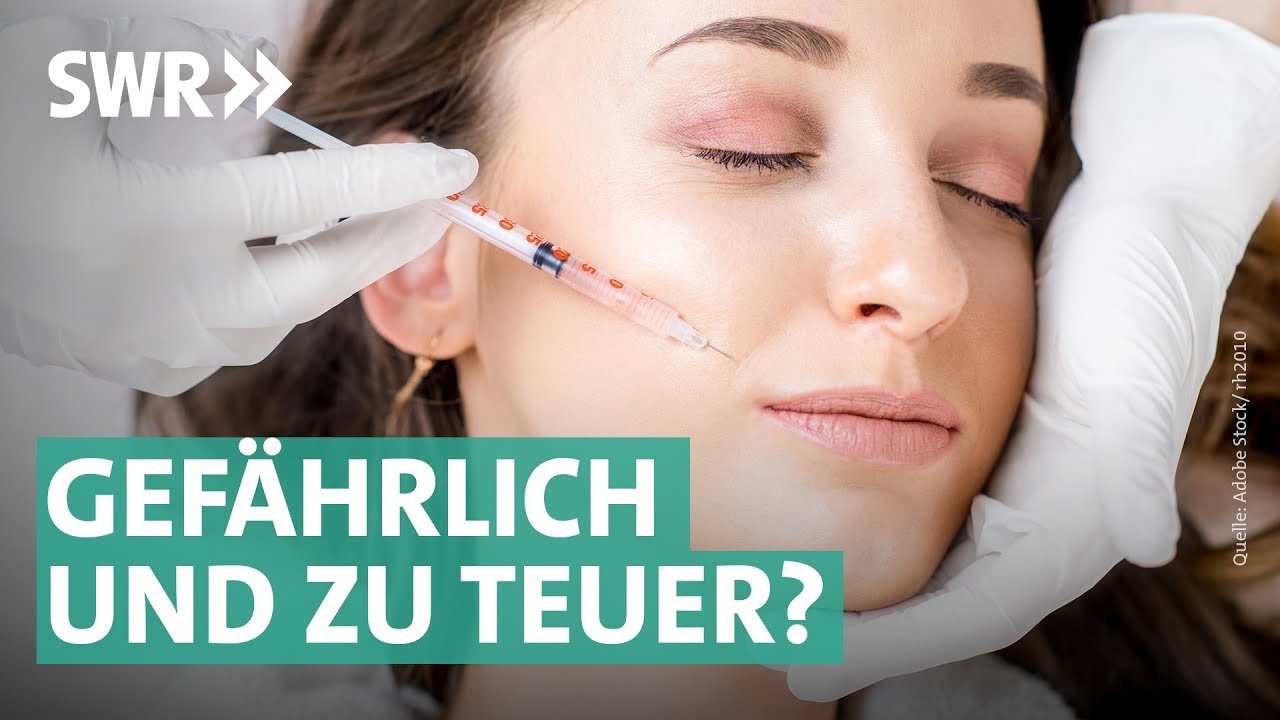
A typical visit for botox skin treatment runs twenty to thirty minutes for returning patients, a bit longer for new ones. The practitioner reviews changes in health, last treatment timing, and how long results lasted. Photos are updated. In the chair, the face is cleansed. A fine needle, often 30 or 32 gauge, delivers small intramuscular deposits with controlled depth. For sensitive areas such as crow’s feet, an ice pack or vibration device may help distract from sensation. The injector uses their non-dominant hand to stabilize tissue and avoid drift. Each point is deliberate, not scattered.
Post-procedure, patients are asked to avoid rubbing the area for at least four hours, to skip vigorous exercise until the next day, and to keep the head reasonably upright for a few hours. Makeup can return after the pores close, usually a couple of hours later, with clean tools to reduce contamination risk. Most clinics schedule a two-week follow-up, often complimentary, to check symmetry and perform botox touch up treatment if needed. This structured revisit is where good clinics cement trust.
Preventive treatment versus repair
The internet made “preventative Botox” famous, often without nuance. In practice, botox preventive treatment can delay deep etching in high-motion zones when expression lines start to linger. I have patients in their late twenties who furrow intensely while focusing on screens. Two to eight carefully placed units in the glabella a few times a year can soften that habit, serving as early wrinkle treatment without creating slack, mask-like tissue. On the other hand, using toxin when no lines are present and muscles are quiet yields little benefit. A mature clinic avoids treating out of fear or trend chasing. It favors minimal effective dosing and long-term planning that prioritizes skin quality through sunscreen, retinoids when appropriate, and lifestyle supports before leaning on injections as a sole strategy.
For established creases, botox wrinkle smoothing reduces the dynamic component, but static grooves sometimes need adjuncts. A clinic that offers honest guidance will discuss microneedling, laser resurfacing, or hyaluronic acid fillers for select cases. They will explain that combining botox facial therapy with collagen-stimulating treatments can improve texture beyond what toxin achieves alone.
Results, timelines, and realistic expectations
Expect to feel nothing for a day, then early effects by day two to four. Full results show at two weeks. Longevity varies. Three to four months is common for botox anti aging injections in the upper face. Athletes or those with fast metabolism may see a slightly shorter window. Masseter reduction tends to last longer, often four to six months once a baseline is established. Some people need fewer visits over time as muscles decondition, while others prefer a botox maintenance treatment every twelve to sixteen weeks to keep movement consistently soft.
Realistic expectations include preserved motion. You should frown a little, smile fully, and raise a brow without heavy bands forming. The idea behind botox for facial rejuvenation is not to erase identity but to reset the face toward rested. The most satisfied patients stop thinking about their treatment within a week because it fades into their daily reflection as simply themselves.
How pricing and value relate to standards
Pricing varies with geography, product brand, and provider experience. Clinics may charge by area or by unit. Both models can be fair. Charging by unit encourages transparency in dosing, but only if the unit count is right for the face rather than inflated. Area pricing is simpler for patients but requires trust that the injector uses appropriate amounts. Top clinics justify their fees with measurable standards: medical oversight, documented protocols, continuing education, and consistent follow-up provisions. They do not run perpetual deep discounts for botox beauty injections. If pricing seems far below market, ask which brand is used, how vials are shared, and whether fresh product is reconstituted the same day. A heavily diluted or old vial can blunt longevity.
Training, licensure, and the supervisor’s shadow
Who injects you matters as much as what goes into the syringe. In the best settings, a board-certified dermatologist, plastic surgeon, facial plastic surgeon, or oculoplastic surgeon sets clinical standards and remains closely involved even when trained nurse injectors or physician associates perform routine botox aesthetic treatment. The supervisory physician is not a distant name on stationary. They are on-site regularly, available for complications, and engaged in case review and advanced training.
Continuing education is constant. New patterns, advanced lower-face strategies, and techniques like microbotox or skin botulinum toxin for sebaceous control evolve. A disciplined clinic pilots such approaches on a small scale, collects results, and publishes internal guidelines before adding them to the standard botox cosmetic care menu.
Subtlety as a service: asymmetry, habits, and the art of saying no
Faces are not symmetric, and habits are strong. Right-handed people often elevate one brow more when speaking. Sleep on one side and you will often see deeper crow’s feet there. Smoking, squinting, or outdoor work carves lines faster. A clinic worthy of your face will discuss these realities, then dose unevenly to create even results. The left crow’s feet may need a unit more. The right corrugator may be bulkier. Tailoring is the rule.
Saying no is also part of a gold-standard botox service. If a patient requests more botox for smile lines that are not driven by muscle but by skin laxity and volume loss, the clinic redirects rather than injects blindly. If someone wants a frozen forehead for a wedding shoot, the injector outlines why over-treating can photograph poorly and suggests scheduling with time for a tweak if needed. Restraint protects the result and the clinic’s reputation.
Handling complications with clarity and speed
Even with impeccable technique, imperfections happen. A mild eyelid ptosis can show up a week after glabellar injections due to diffusion. Brow heaviness can reveal itself when the patient returns to cardio and feels sweat collect in unmoving forehead skin. The point is not perfection, it is response. In my practice, any concern earns a call back within a business day. We bring patients in, document, and adjust. Slight asymmetry in crow’s feet? A microdrop on the active side rebalances. Headache after first-time treatment? We review hydration, reassure about the transient nature, and suggest simple measures.
Rare but serious issues like vascular compromise are more often related to filler, not botox cosmetic therapy, yet a prepared clinic keeps emergency protocols and medications at hand. For toxin-related issues, the main tool is time and patient support. This is where trust, built during consultation, pays off.
Building a plan: from first visit to steady rhythm
A thoughtful clinic helps you plan over a year, not just a single session. Seasonality may matter. Teachers may prefer botox non surgical treatment just before summer to ride out break with a fresh look. Athletes in competition season might adjust timing to avoid even a day of forehead tightness near an event. People in high-visibility roles often appreciate a schedule that includes a two-week cushion before public appearances for possible touch-ups.
Skin care joins the plan. Botox skin care treatment is not a cleanser or serum, but clinics that view the face holistically pair toxin with a few proven pillars: daily sunscreen, a retinoid or retinaldehyde at night if tolerated, vitamin C antioxidant in the morning, and barrier support for sensitive types. The best injectors politely ignore marketing fluff and stick to what has consistent data. They also consider how hydration, sleep, and stress show in expression lines and counsel small, doable habits rather than overhauls.
Case vignettes that illustrate standards
A software engineer in her early thirties arrives with deepening “eleven” lines. She frowns while concentrating. She wants botox for wrinkles but fears a frozen look. We map a conservative glabellar plan: 12 units distributed to procerus and corrugators, none in the forehead. Two weeks later, at review, she still has mild vertical etching at rest but no harsh furrow on focus. We add a half-unit to the stronger corrugator and discuss a retinoid for skin texture. She returns at four months, happy and asking to repeat the same.
A runner in his forties hates the photo lines around his eyes. He squints in sun, rarely wears sunglasses. We perform botox eye wrinkle treatment at the crow’s feet, 8 units per side, and suggest polarized lenses for runs. At follow-up, the lines soften with smile but do not vanish, a realistic and natural outcome. He decides to maintain every four months, accepting that botox facial improvement is about balance, not total stillness.
A patient in her fifties requests botox skin rejuvenation for a neck she describes as “crepey.” On exam, platysmal bands are mild, but skin laxity and sun damage dominate. We explain that botox skin smoothing injections can soften bands but will not tighten crepe. We propose a small platysma treatment with the understanding it addresses lines on strain, then refer for fractional laser and sunscreen discipline. Setting boundaries prevents disappointment.
Navigating brand names and dilution myths
Patients often ask about brand differences. The main FDA-cleared botulinum toxin type A formulations for cosmetic use in many regions are widely comparable when dosed appropriately, though unit potency and diffusion traits vary slightly by product. A clinic’s consistency matters more than brand-hopping. What you want to see is documentation of product, dose, and timing in your chart each visit. Regarding dilution, higher volume does not equal weaker treatment if the total units remain the same. Volume affects spread, which injectors adjust per area. High-quality clinics explain their mixing rationale plainly and avoid jargon that confuses patients into equating “more saline” with “cheap” or “less effective.”
When Botox is not the right tool
Botox non surgical wrinkle treatment is powerful for dynamic lines. It is not a fix for volume loss, deep static grooves, or significant skin laxity. It does not lift tissue in the way surgery can. It does not replace good light and consistent sleep for a rested look. Top clinics do not overpromise. If a patient’s goals hinge on lifting droopy lids, a blepharoplasty consult makes sense. If the chief complaint is a carved-in nasolabial fold, toxin alone will not be satisfying. Patients deserve a map that includes alternatives: fillers, energy devices, surgery, medical-grade skincare, or sometimes a simple change like quitting smoking and wearing sunglasses.
What to look for when choosing a clinic
Use this short checklist to gauge standards during your first contact.
- Transparent credentials: who supervises, who injects, and how many years of experience with botox aesthetic skin care Clean, consistent protocols: consent forms, photography, sterile technique, and documented dosing Thoughtful consultation: time spent observing expression, discussing risks, and mapping a plan Follow-up culture: routine two-week review, accessible communication, and practical aftercare Conservative philosophy: tailored dosing, willingness to say no, and clear explanations of what botox facial wrinkle care can and cannot do
The culture behind the needle
Finally, the atmosphere matters. Great results live where ego takes a back seat to process. The injector keeps notes like a scientist but guides like a stylist with taste. Staff speak consistently about aftercare. Schedules honor the importance of follow-up. Product integrity is visible. Patients are encouraged to bring old photos to show how their face moved in their twenties and thirties, because the aim of botox cosmetic skin therapy is not to create a new face, it is to support the one you already own through the decades.
When you find that culture, you notice more than fewer lines. You notice your reflection looks like you on eight hours of sleep and a good vacation. You feel less urgency to conceal with makeup or filters. And you develop a stable rhythm of care: thoughtful botox anti wrinkle care two to four times a year, paired with daily, unglamorous skin discipline that keeps results authentic. That is the standard a top clinic strives for. It is less about hype and more about small, correct decisions made over and over, face by face, visit by visit.